Offices in Dubai (Al Qusais) and Sharjah (Muweilah), working across the UAE, including Abu Dhabi, and in Oman.
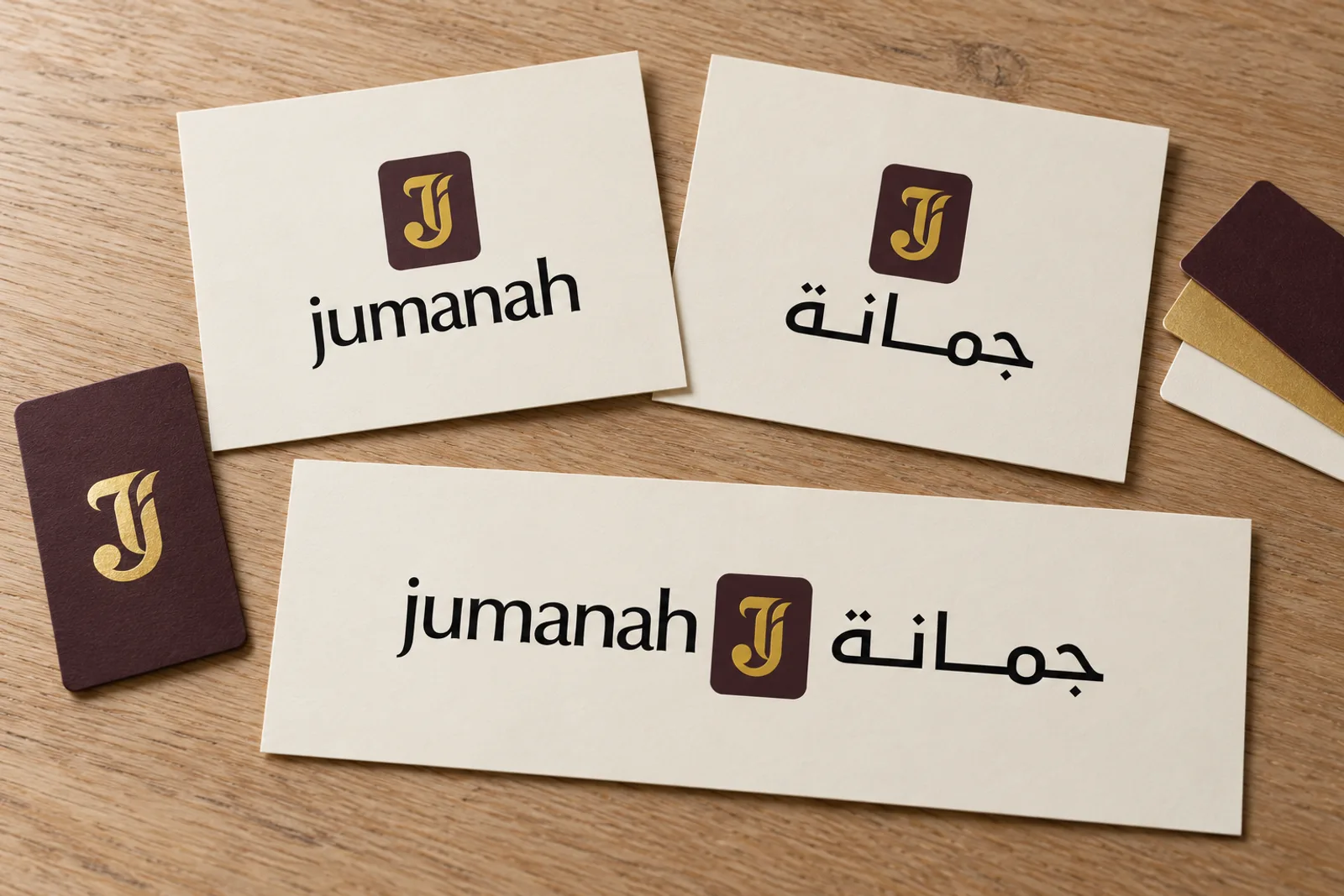
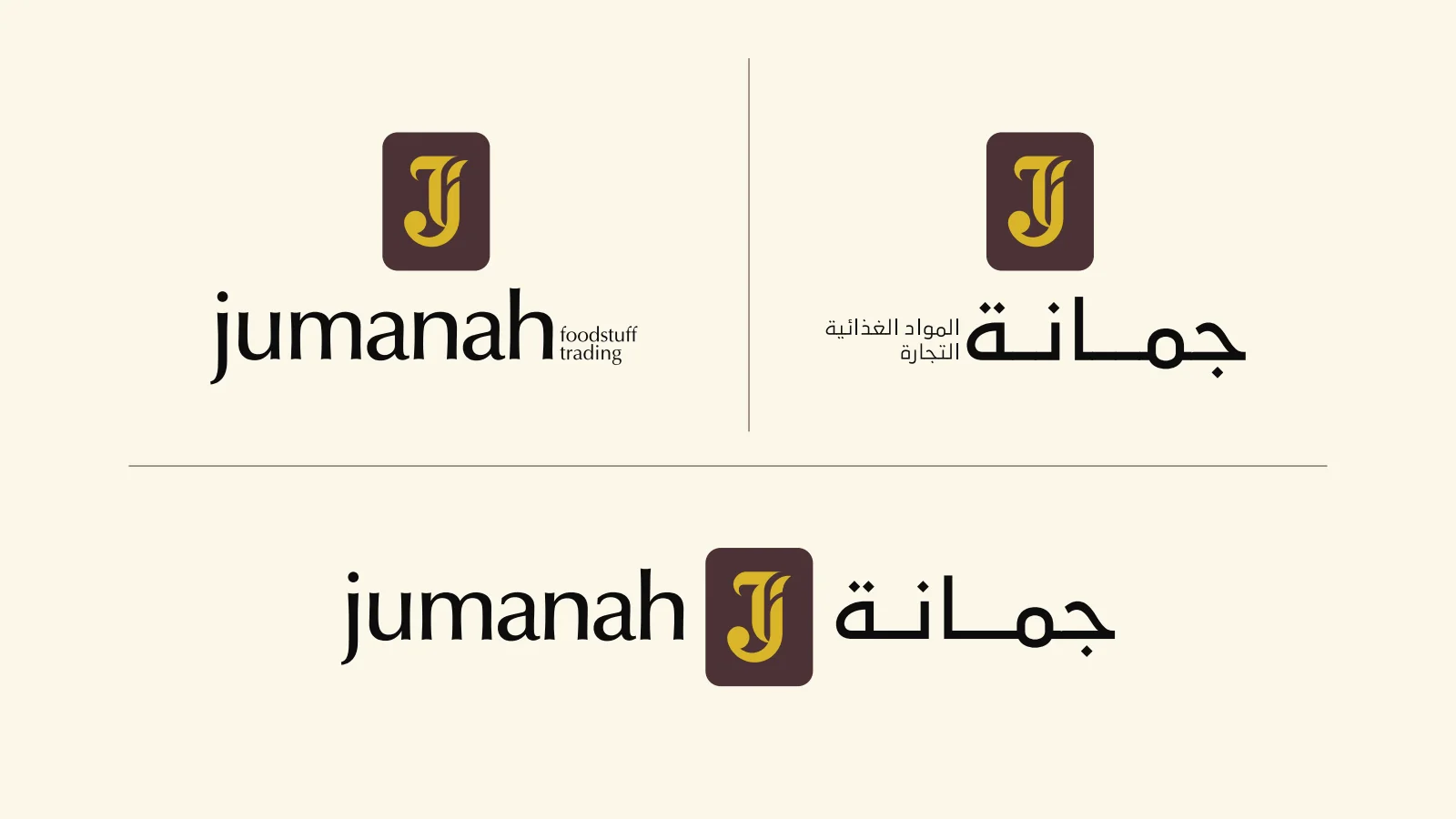
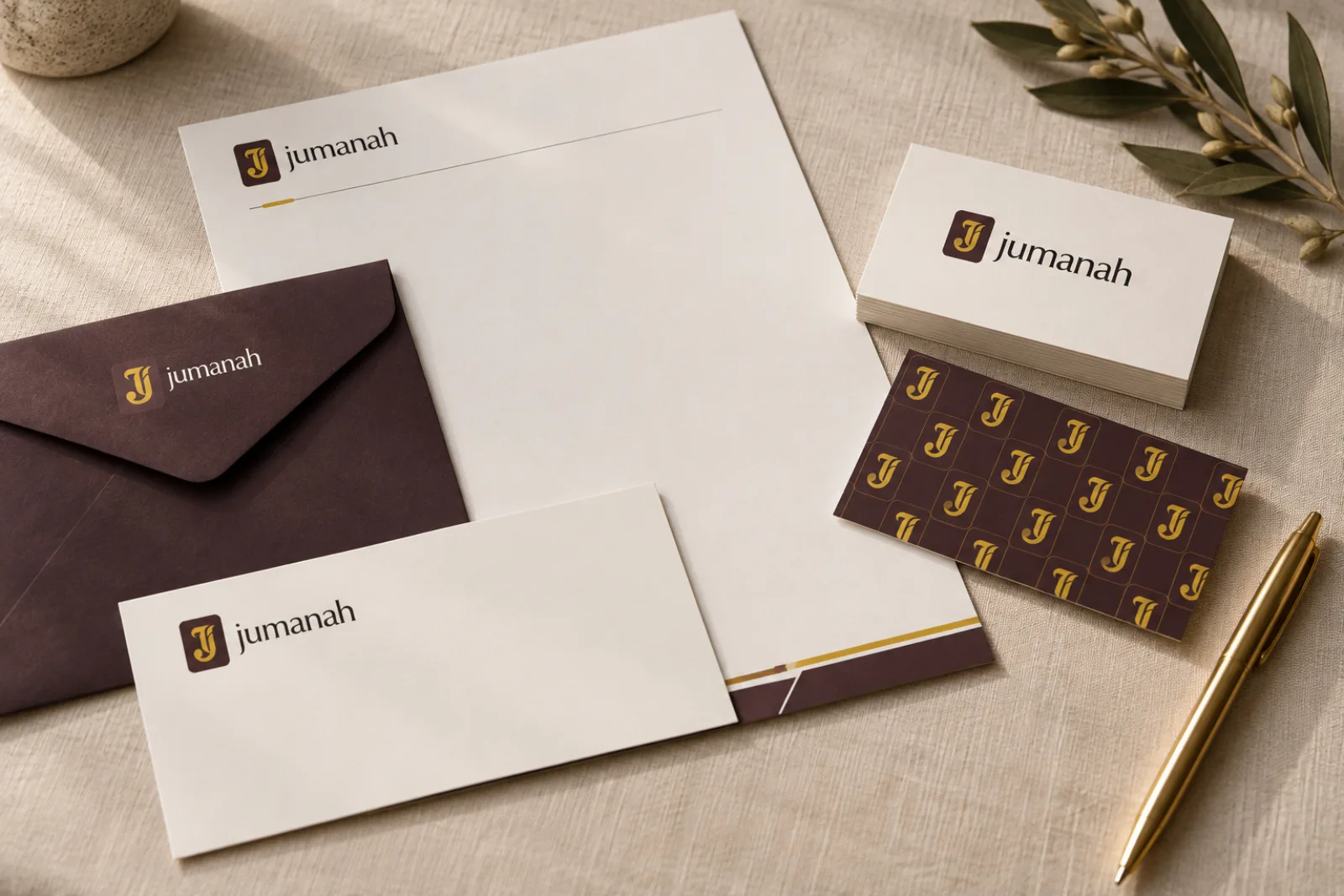
Jumanah’s English, Arabic and combined lockups proofed side by side, a concept for this service. See the original work →
In short
Bilingual branding means the Arabic and the English are designed as one brand from the first sketch, not translated once the English logo is finished.Abcon Branding does this from offices in Dubai (Al Qusais) and Sharjah (Muweilah): we decide what the brand is called in each language, draw the two names so they share proportion, weight and character, and test both on the places a UAE business is actually seen, from a shopfront and a van to a carrier bag, a menu and a phone screen. Many of our identities for food, retail and trading companies in the UAE are bilingual, and the examples below come from their original boards.
Trusted by
What is included
What bilingual branding covers
The work depends on whether you are starting fresh or adding Arabic to a brand that already has an English logo. It can include:
01
The name in both languages
Whether the Arabic name translates the meaning, carries the sound across, or is a separate name altogether, decided before anything is drawn.
02
An Arabic version drawn, not typed
Lettering made for the brand, or a carefully chosen and adjusted typeface, so the Arabic has the same character as the English rather than the look of a default font.
03
Lockups for every space
English only, Arabic only and combined versions, stacked and side by side, with rules for which one goes where.
04
A shared symbol, where it helps
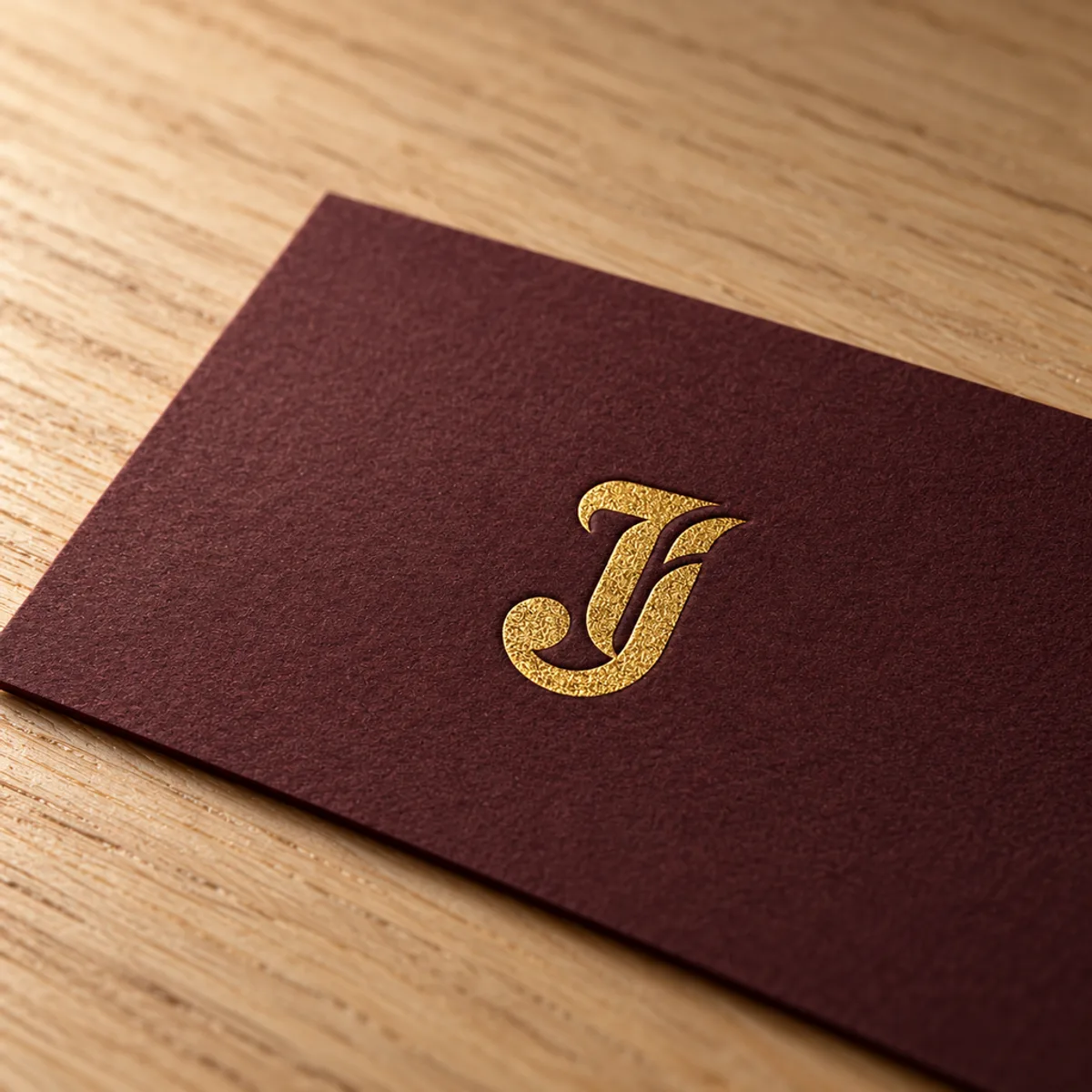
A monogram or symbol that belongs to both scripts, like Jumanah Foods’ J and Jeem, so the brand is recognisable before either name is read.
05
Type pairing for both scripts
An Arabic and a Latin typeface family that work together in headings and in body text, for menus, documents, websites and social posts.
06
Layouts that read both ways
Grids for signs, packs, vehicles and screens that work right to left as well as left to right, including what mirrors and what stays put.
07
Numbers and small print
A decision on Western or Arabic-Indic numerals, and how prices, phone numbers and addresses are set in each language.
08
Bilingual guidelines and files
A guide your printer, signmaker and web developer can follow, with vector masters of every lockup, ready for your trademark adviser and suppliers.
For the full system of colour, type, pattern and applications around the bilingual logo, see brand identity design.
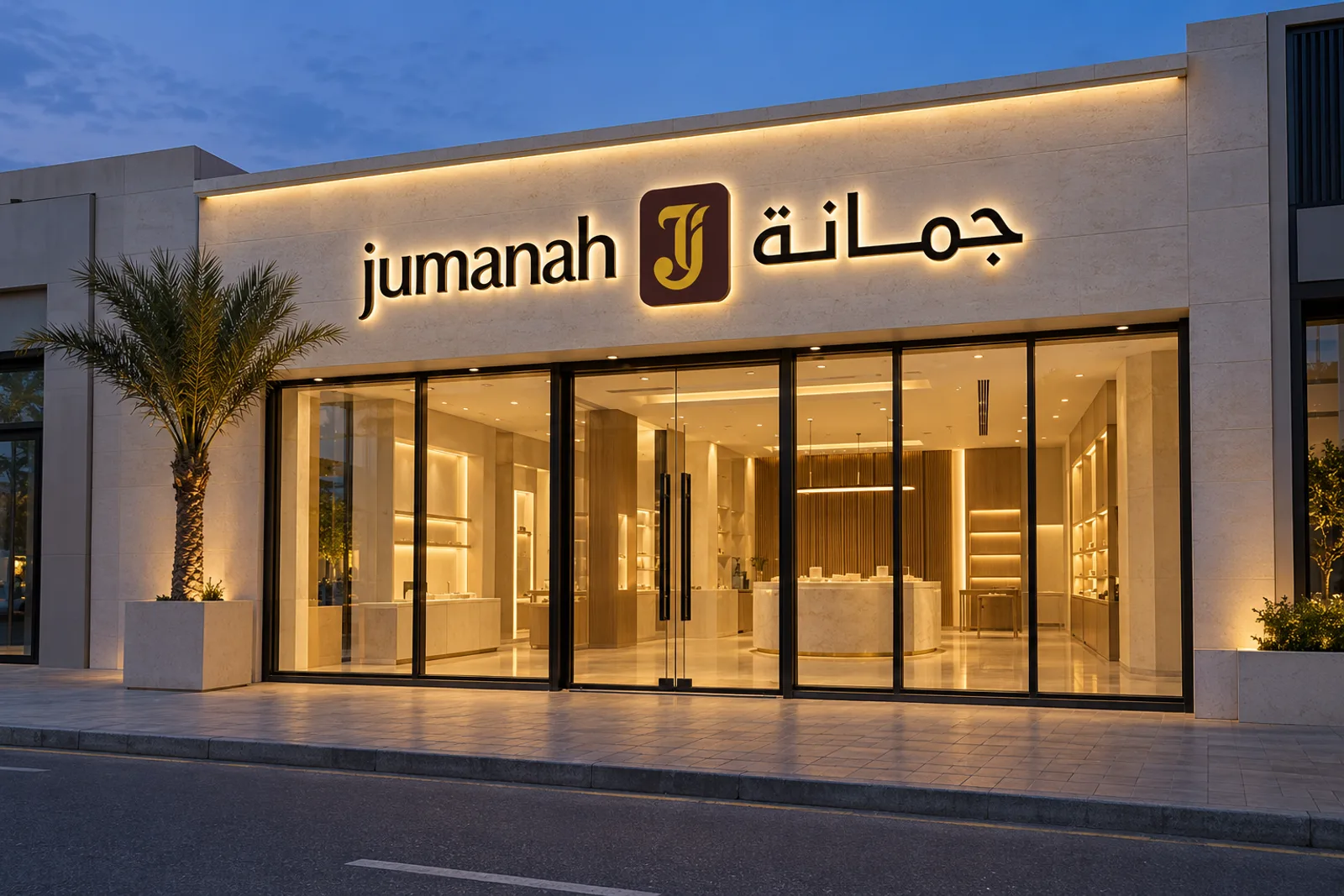
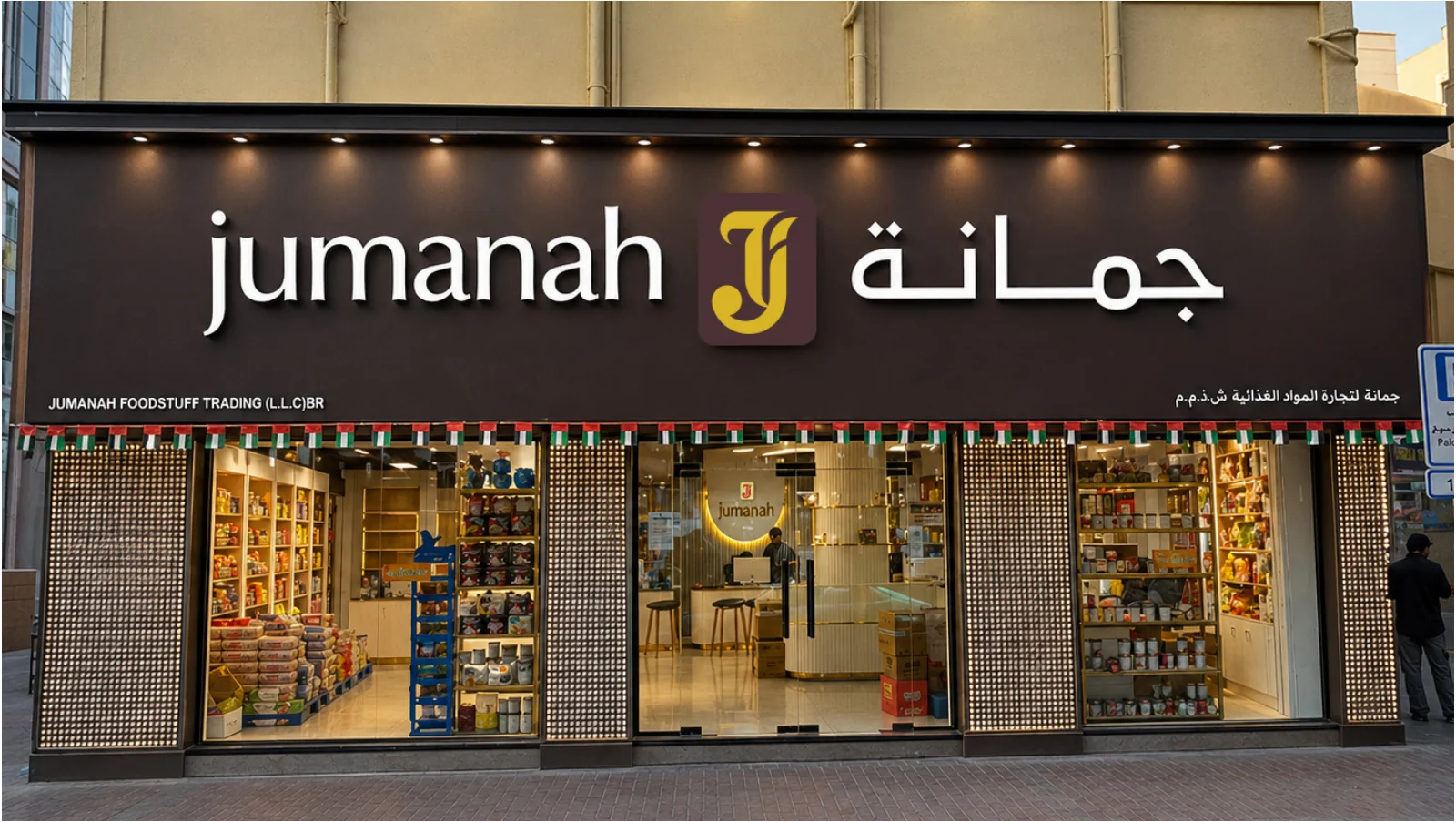
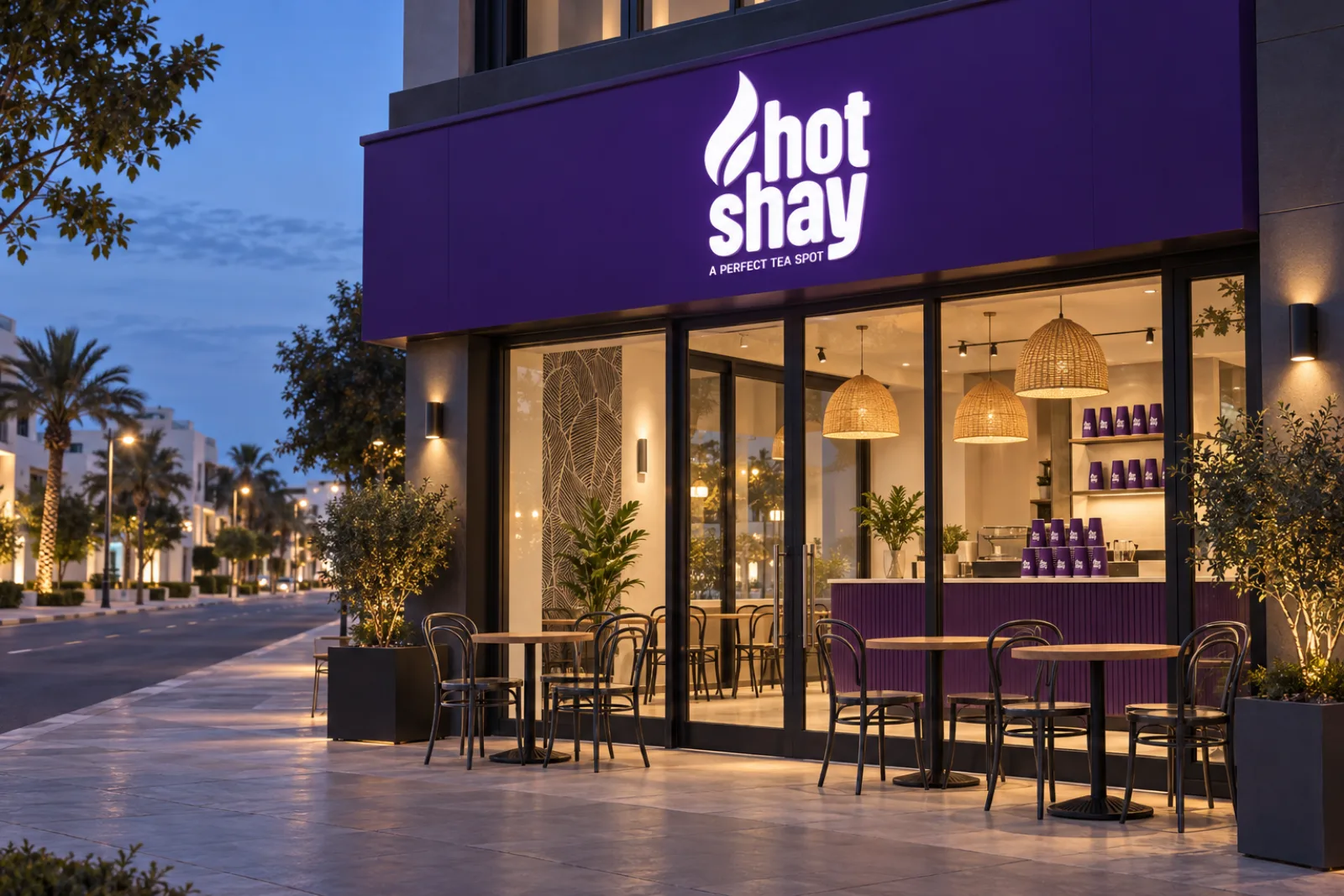
The combined Jumanah lockup lit on a shopfront at dusk, a concept for this service.
When it helps
When a business needs bilingual branding
01
Your Arabic was added later by someone else.
If the printer, the signmaker or a translator set the Arabic under an English logo, it usually looks like a different brand: another weight, another size, sometimes another meaning.
02
Your shopfront, vans or packs show both languages.
Anything a customer sees in the street or on a shelf in the UAE is likely to carry Arabic, so the Arabic version gets as much attention as the English.
03
Your customers read Arabic first.
For many customers the Arabic is the brand. Ipsos and the Abu Dhabi Arabic Language Centre found that 71% of young Arabs aged 18 to 25, across 10 countries including the UAE, prefer media in Arabic.
04
You are about to file a trademark.
Your adviser will ask which versions to protect. That is easier when each lockup exists as clean artwork with a settled spelling in both scripts. The UAE registered 17,217 trademarks in the first half of 2026 alone.
05
You are opening in a new emirate or market.
A brand that worked in one place in English only often needs its Arabic settled before new signs, vehicles and documents are produced.
06
The two versions say different things.
If the English line is clever and the Arabic is a literal translation, the two audiences meet two brands. The message has to be decided first, then written for each language.
Before you hire
How to check the Arabic when you do not read it
Many owners and marketing managers who sign off a bilingual identity do not read Arabic, and the usual advice, “ask a native speaker”, only covers spelling. These are checks anyone can make by looking, shown on our own boards. Ask an Arabic reader to confirm the words as well.
01
Do the two names look like one family?
Put the English and Arabic side by side and squint. They should have a similar weight, colour and energy. On the Jumanah Foods board the black English and Arabic wordmarks share the same stroke weight and sit either side of one monogram.
02
Is there something both versions share?
A shared symbol does the recognising before anyone reads. Jumanah Foods’ monogram is both the Latin J and the Arabic Jeem, with one dot; 4 Bites Shawerma’s symbol is built from the Arabic 4, the number 4 and the letter B.
03
Was the Arabic drawn, or typed?
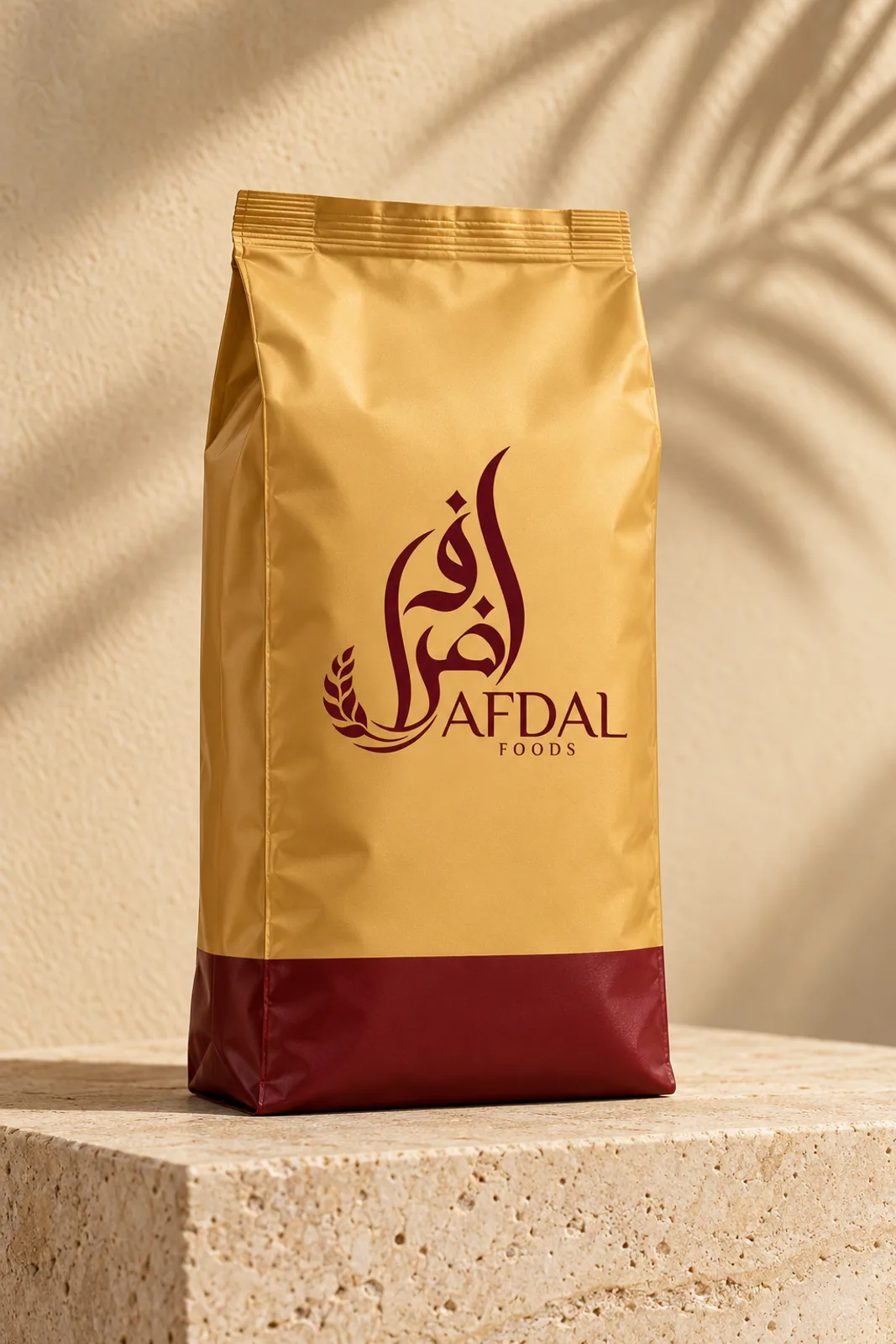
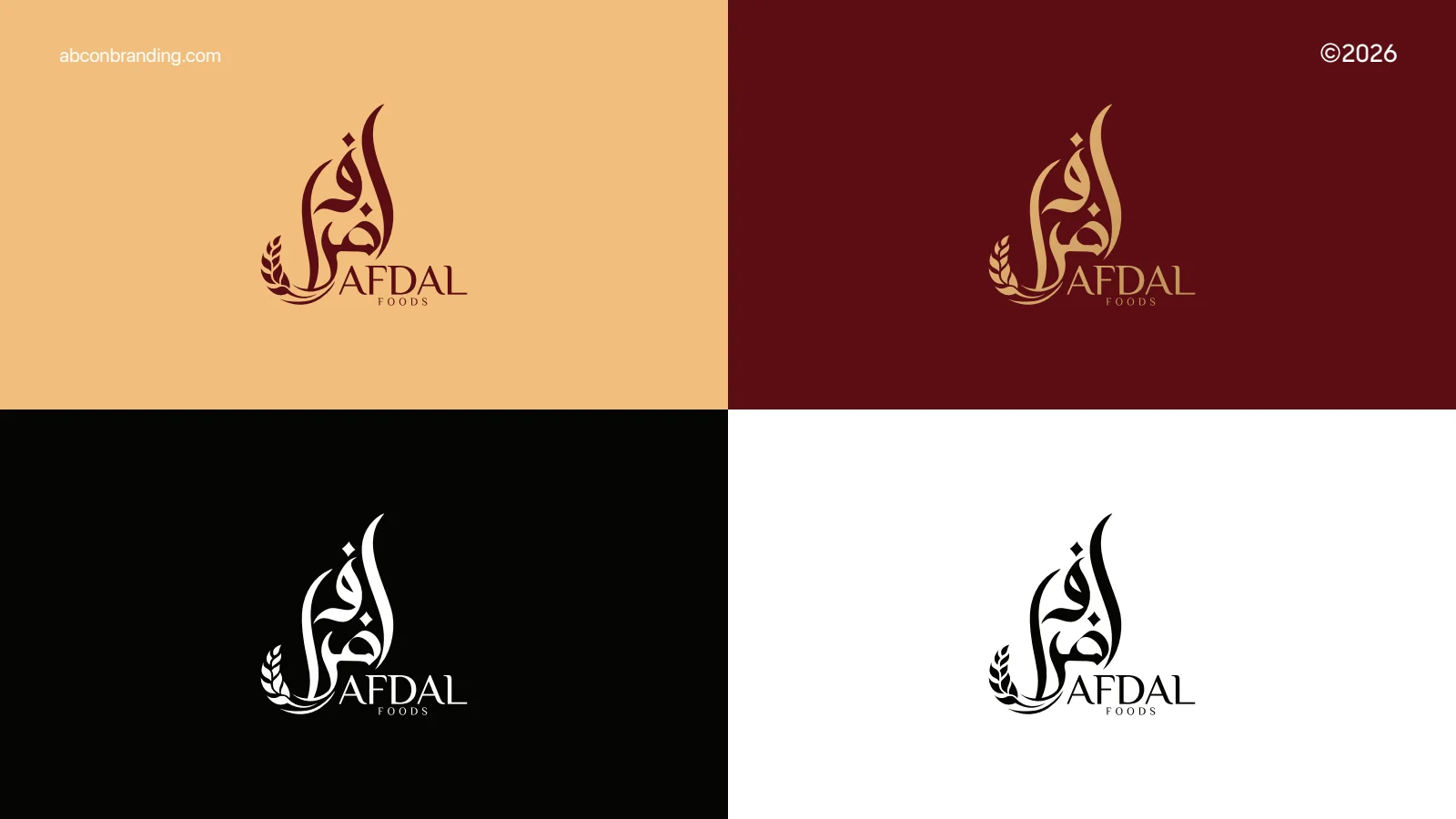
Typed Arabic often looks thinner, smaller and plainer than the English beside it. Drawn Arabic has its own character: Afdal Foods leads with expressive Arabic calligraphy above the English name, and keeps that structure in every colour version.
04
Does each version work alone?
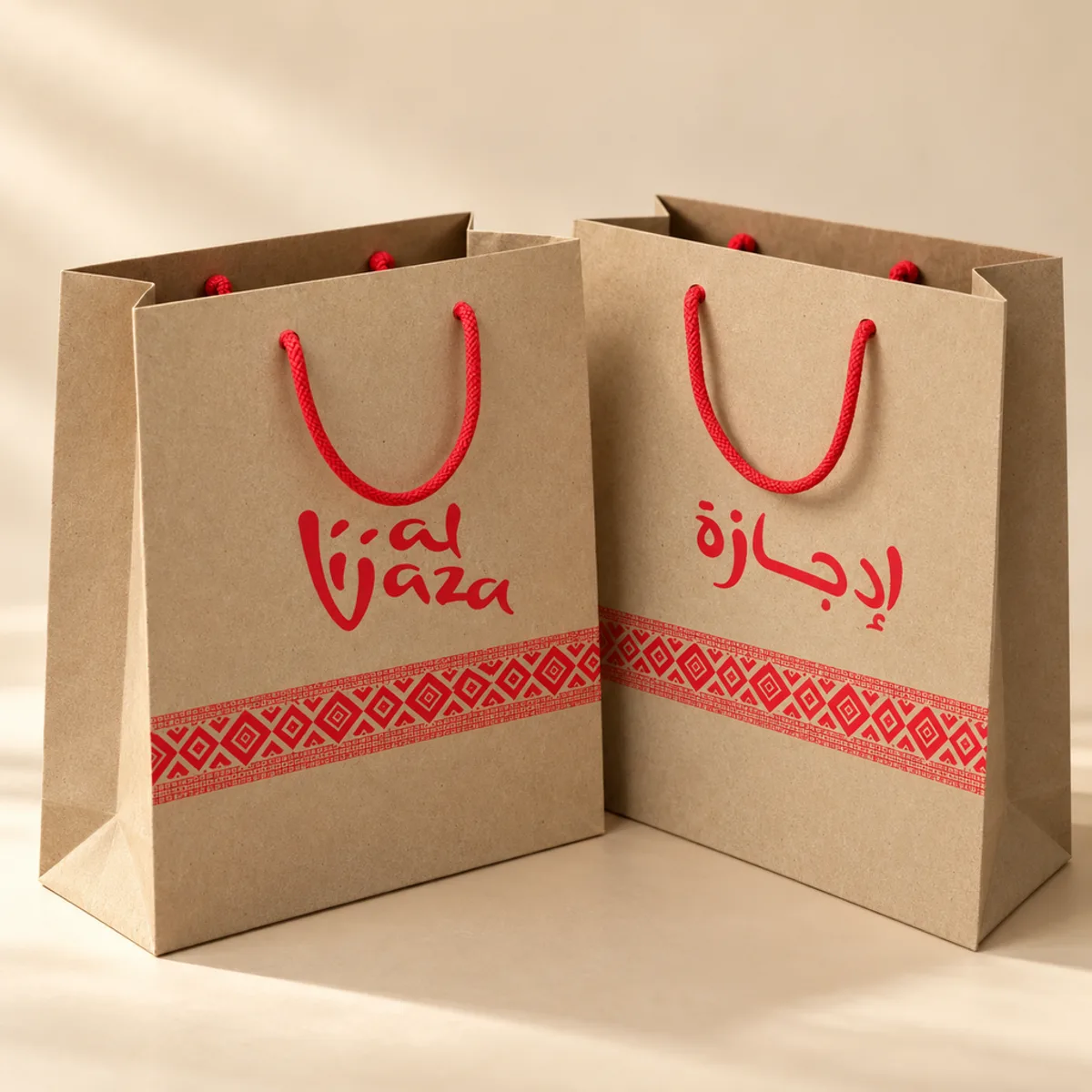
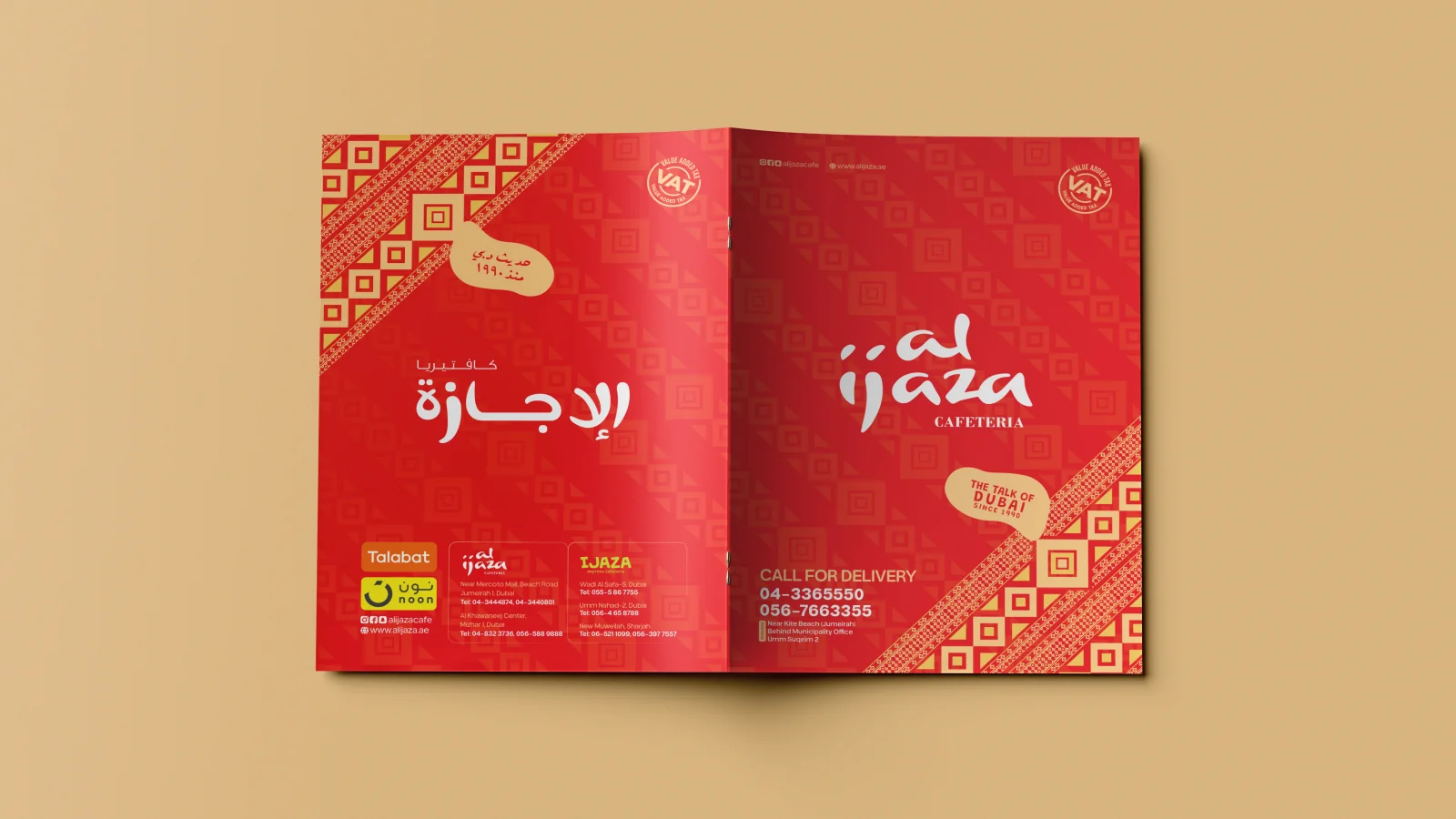
Ask to see the English only, Arabic only and combined lockups. A van side, a kraft bag or a narrow sign often has room for one language at a time. Al Ijaza has an English bag and an Arabic bag with the same layout.
05
Does the layout survive the change of direction?
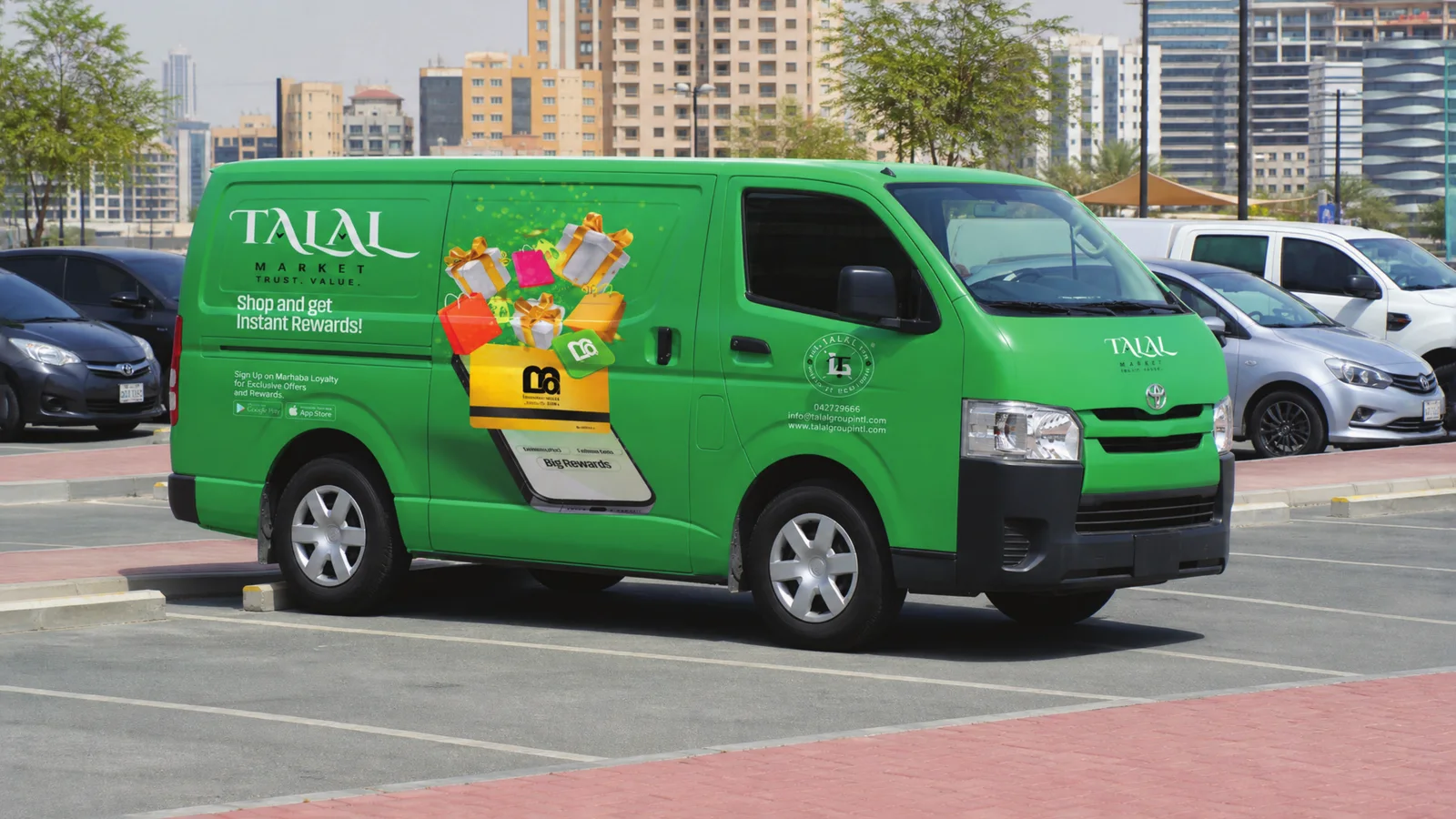
Look at both sides of a van or both versions of a pack. Talal Market’s Arabic side mirrors the English one: wordmark, rewards line, graphic and app badges in the same order. Logos and photographs should not be flipped.
06
Has it been tried where it will live?
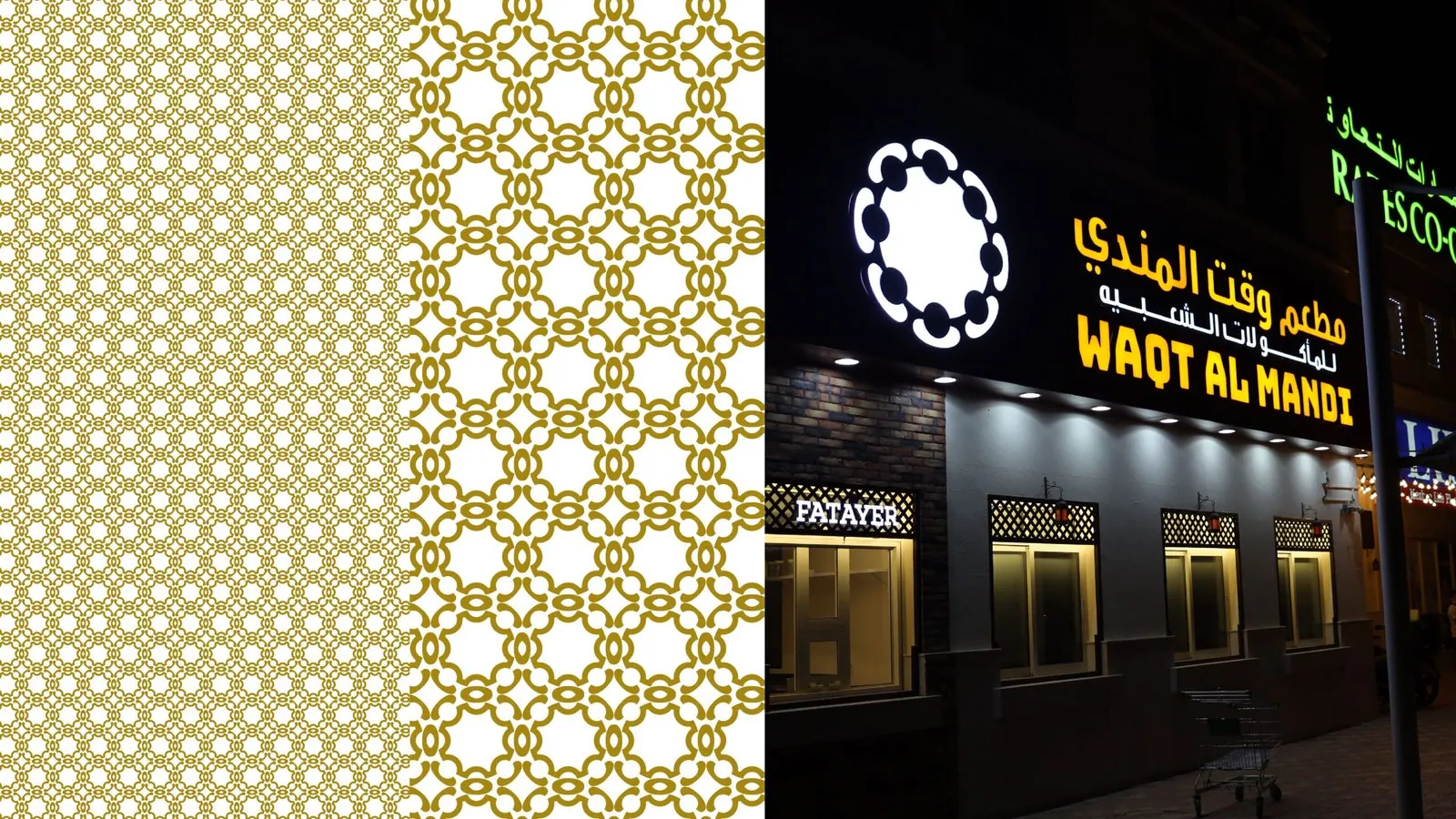
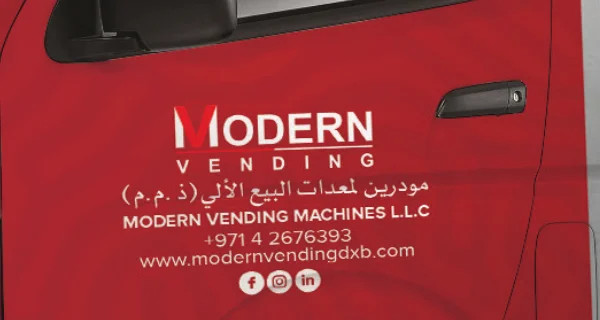
A lockup that works on a slide can fail on a fascia. Ask to see the bilingual sign, as on Waqtal Mandi’s night shopfront, and the small items, such as the English and Arabic contact details on a Modern Vending van door.
Process
How we work on bilingual branding
Every project follows the same four stages. This is what they mean here. Read more about our process.
01
Diagnose
We look at how the business is named today in each language, on the trade licence, the sign, the website and the documents, and how competitors handle Arabic. We agree with you whether the Arabic name should translate, carry the sound or stand on its own, and who will confirm the wording.
02
Architect
We develop the Arabic and English together from the first sketches, with a shared symbol where it helps, and show the routes on real applications in both languages. Once a route is chosen, we refine both names together and ask you to have the Arabic wording confirmed by a native reader you trust before anything is final.
03
Deploy
We build every lockup as vector artwork, pair the typefaces, set the layout rules for right-to-left and left-to-right use and write them into bilingual guidelines. Signs, print and packaging can be produced through Abcon Group’s Abjar Signboard Works and German Printing Press, or by your own suppliers from our files.
04
Compound
New branches, products, campaigns and screens follow the same rules, so the Arabic stays as considered as the English as the brand grows. When something new needs Arabic, it is set from the guidelines rather than guessed.
The Jumanah J and Jeem monogram in gold foil on burgundy card, a concept for this service.Al Ijaza’s English and Arabic carrier bags sharing one layout, a concept for this service.
Selected work
Bilingual brands from our portfolio
Each example is from the original project presentation and links to the full case study. They show design decisions, not sales figures.
We quote every project after a first conversation, so the proposal matches what the business needs. These are the things that move the cost and the timeline most.
Very professional work, they choose quality over quantity all the time, creative and innovative , love the fact that they include their own opinions and give me honest feedback, helps with improving business and business development.
Absolutely amazing experience working with this team. Their creativity, attention to detail, and understanding of branding is on another level. Highly recommended for anyone looking to elevate their brand presence.👍👍
Can you add an Arabic version to our existing English logo?
Yes. We study the English logo’s weight, proportions and character, then draw or adapt Arabic lettering to match, and set out combined lockups. If the English logo itself makes a good match impossible, we will tell you before any work starts and explain the options.
Should our Arabic name be a translation or a transliteration?
It depends on the name. A descriptive name often translates well; an invented or personal name usually keeps its sound. Some brands choose a separate Arabic name. We look at meaning, how it sounds, how competitors are named and what is already on your trade licence, then recommend one with the reasons.
Which language should come first on our sign?
It depends on the emirate, the authority’s requirements and the building, and your signmaker will know the current rules for your location. Our job is to give you lockups that work in either order and at the sizes the sign allows, so the brand looks right whichever way the sign is approved.
Who checks that the Arabic is right?
Spelling and meaning should always be confirmed by a native Arabic reader who knows your business, and we ask you to name that person at the start. Our part is the design: making sure the Arabic is drawn with the same care, weight and proportion as the English, and that it works in every lockup and at every size.
Should we register the Arabic and English logos as trademarks?
That is a question for your trademark adviser, who will look at your business and the classes you need. What we provide is clean vector artwork for each lockup, English, Arabic and combined, with settled spelling, so the adviser has exactly what they need to file.
Does a bilingual brand need two websites?
Usually not. Most businesses need one site with an Arabic and an English version of each page, built so the layout mirrors properly. The type pairing and layout rules from the identity carry into both language versions, and our website design page explains how we plan and build a site.
Can you make our packaging bilingual too?
Yes. Pack layouts are planned for both languages from the start, including which panels carry which language, how the product name sits in each script and where the small print goes. Al Ijaza’s takeaway range and Afdal Foods’ rice packs are examples.
How long does bilingual branding take?
It depends on the scope, so we agree the timeline with you after a first diagnostic conversation, before any work begins, and set it out in the proposal. Adding Arabic to an existing logo is usually quicker than a new brand in both languages.
What should we share before a bilingual branding project?
Send your current logo files, photographs of your signs, vehicles and packaging, your trade licence name in both languages if it has been issued, and any Arabic name you already use. Tell us who will approve the Arabic wording, and list the places the brand must appear first.
Do you work with businesses in Abu Dhabi and the other emirates?
Yes. We work with businesses in Abu Dhabi, Ajman, Ras Al Khaimah, Fujairah and Umm Al Quwain from our head office in Al Qusais, Dubai, and our office in Muweilah, Sharjah. We do not have an office in Abu Dhabi. Meetings happen in person at either of our offices, or online, whichever suits the project. Abcon Group also works in Oman.
Preparing the first conversation? Build a brand project brief around your business challenge, audience and priorities.
Optional analytics, including Google Analytics, helps us understand the pages and campaigns that bring people to Abcon, and whether they’ve visited before. You can change your choice anytime.