
Services · Audience and competitor research
Audience and competitor research in Dubai.
Audience research explores who buys, the situation they are in and the reasons they choose or reject an offer. Competitor research examines the alternatives, messages and category cues around that decision. Together they give positioning a stronger foundation than demographic labels or a moodboard of competing logos.
- 1997Abcon Group began
- 300+People across Abcon Group
- UAE & OmanWhere the group works
See the work
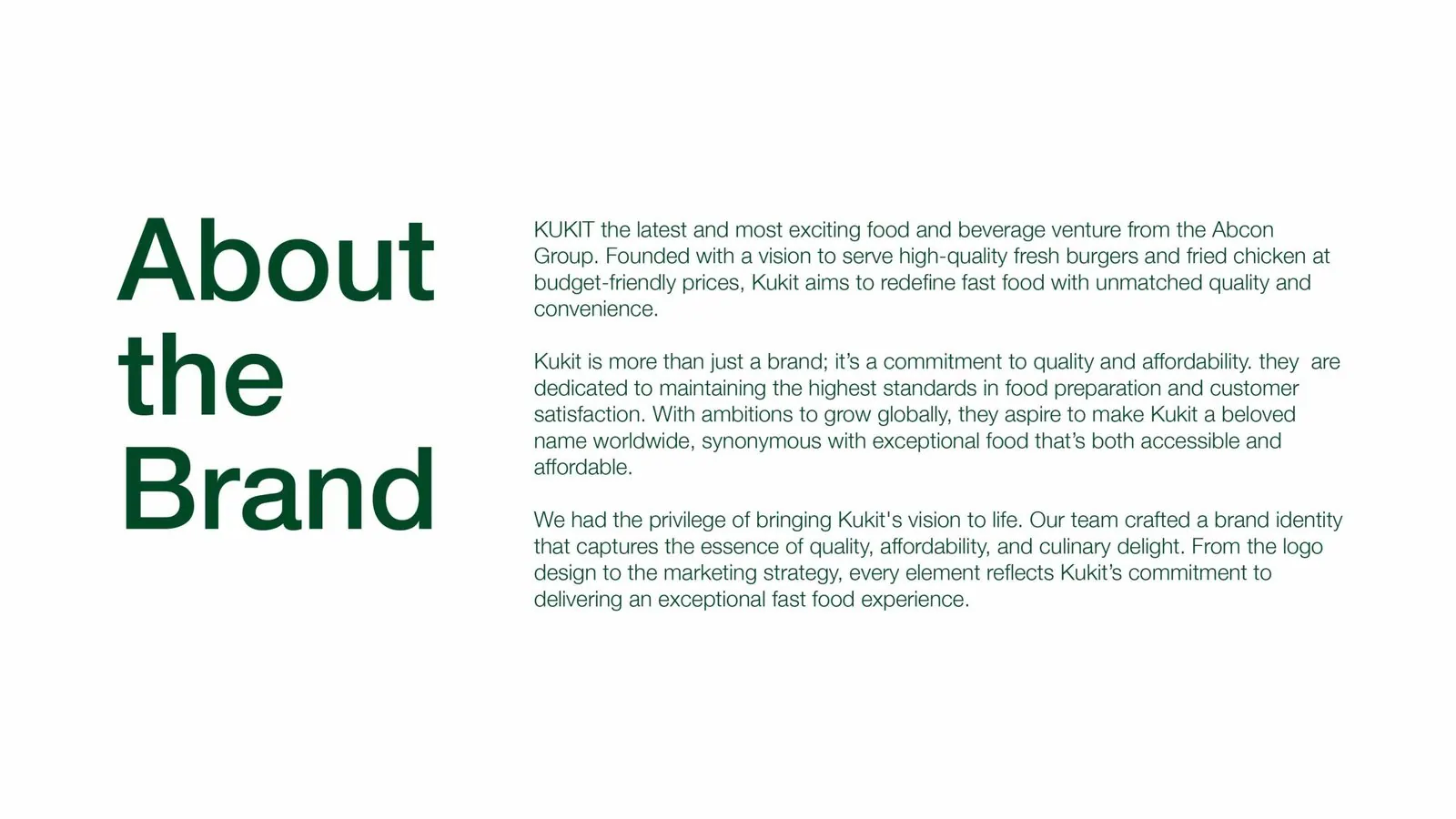
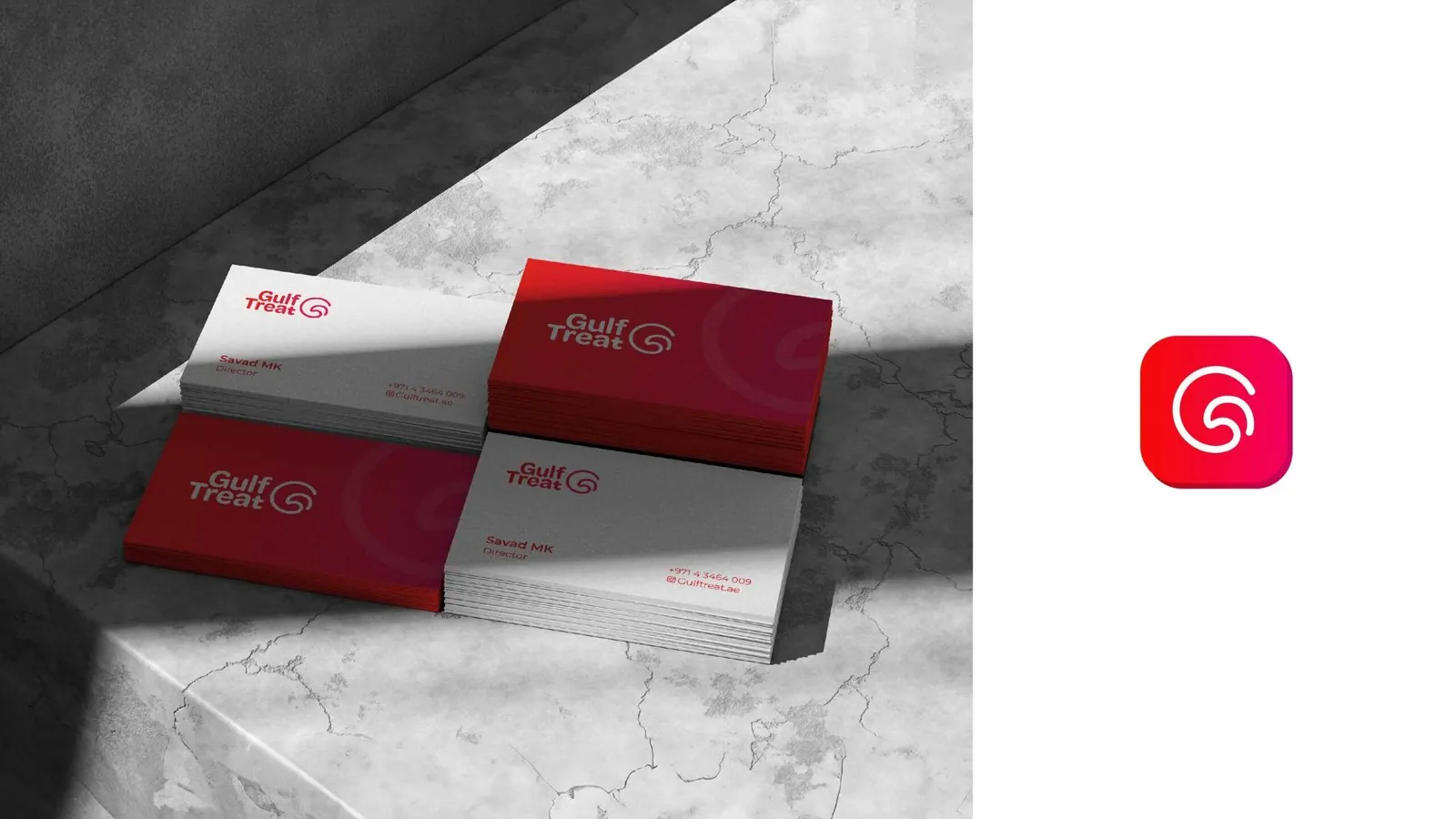
These food and beverage identities illustrate different category expressions. The original artwork is available to inspect; it does not establish the size or findings of a customer-research sample.
What audience and competitor research includes
Understand buying decisions and category conventions before choosing a position.
- Research questions
- Specify the decision to be informed, the assumptions to test and the customer groups that matter.
- Audience investigation
- Use existing data, interviews or appropriately scoped primary research to understand motivations, barriers and purchase occasions.
- Competitor landscape
- Compare offers, pricing context, language, channels and visual conventions across relevant alternatives.
- Opportunity synthesis
- Connect patterns to a useful positioning direction, with the limits of the sample and evidence made clear.
Where this work makes a difference
The target audience is described as everyone.
A useful strategy needs to prioritise actual customer situations and trade-offs.
Competitor designs dominate the brief.
Understanding why competitors look and speak that way helps separate a category requirement from an opportunity to differ.
How we work on audience and competitor research
Every project follows the same four stages. This is what they mean here:
- 01
Diagnose
Agree the commercial question and examine information already available before commissioning additional fieldwork.
- 02
Architect
Choose a suitable method, interpret audience patterns and map the competitive alternatives.
- 03
Deploy
Use the findings to brief positioning, naming, messaging and the customer experience.
- 04
Compound
Revisit assumptions when the offer, geography or customer behaviour changes.
Read more about our process.
Scope, cost and timing
We quote every project after a first conversation, so the proposal matches what the business needs. These are the things that move the cost and the timeline most:
- Research method: Desk research, qualitative interviews and larger quantitative studies require different resources.
- Markets and languages: Locations, recruitment criteria, translation and cultural interpretation affect the scope.
- Depth of comparison: A focused set of direct alternatives differs from studying adjacent categories and new markets.
Our guide to what branding costs in Dubai explains how to compare quotes.
Questions and answers
Do we need a large survey for every project?
No. The method follows the decision and the uncertainty. A small qualitative study may reveal barriers; a statistically meaningful survey needs a different sample and budget.
Do you only compare other UAE branding or design examples?
We compare the alternatives your customers actually consider. That can include local competitors, international brands, substitute products and choosing not to buy.
What should we bring to discuss audience and competitor research?
Share customer segments, recent enquiries or sales patterns, existing research, competitors you encounter and the market decision ahead. Explain what is known, assumed and still uncertain.
How do you agree the scope and timeline?
We start with the business question and the information available. For audience and competitor research, we agree the decisions, deliverables, review points, dependencies and responsibilities in a proposal before work begins. Access, approval and production requirements shape the schedule; there is no universal package or promised commercial result.