Services · Go-to-market strategy
Go-to-market strategy in Dubai.
A go-to-market plan determines how an offer enters the market and how customers move from awareness to purchase. We connect positioning, audience priorities, channel choices, launch assets and practical dependencies. The result is a plan the business can execute, with responsibilities and review points agreed before launch activity begins.
- 1997Abcon Group began
- 300+People across Abcon Group
- UAE & OmanWhere the group works

See the work
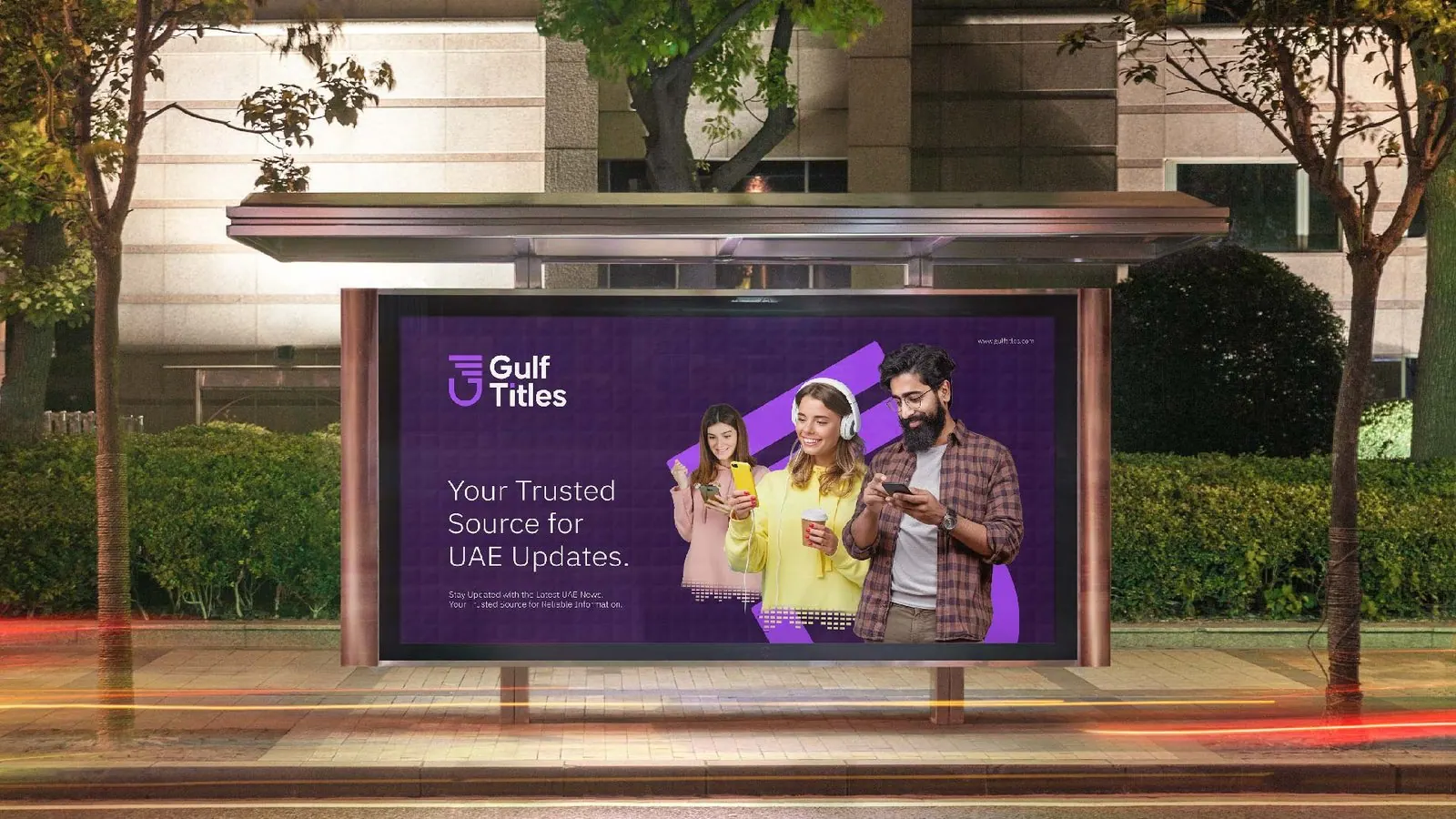
These original campaign, packaging and outdoor assets demonstrate pieces of a market-facing launch. They do not establish launch dates, media expenditure or conversion results.
What go-to-market strategy includes
Connect the offer, audience and launch priorities before spending on channels.
- Offer and audience fit
- Clarify the customer problem, the proposition and the priority buyers or purchase occasions.
- Channel and journey planning
- Select the discovery, comparison, enquiry and purchase touchpoints that suit the business model.
- Launch requirements
- Specify the identity, packaging, website, sales material and campaign assets needed for the agreed plan.
- Launch sequence
- Set dependencies, responsibilities, milestones and the evidence needed to review the response.
Where this work makes a difference
The launch date exists but the route to customers does not.
A website and social announcement alone do not define how the offer will be found and chosen.
You are entering a new category or market.
A familiar brand may need a different proposition, message or channel sequence for a new audience.
How we work on go-to-market strategy
Every project follows the same four stages. This is what they mean here:
- 01
Diagnose
Assess the offer, audience, category context and operational readiness.
- 02
Architect
Agree the proposition, channel priorities and launch sequence, including what should wait.
- 03
Deploy
Coordinate the creative, digital and production work against the same launch brief.
- 04
Compound
Review response and customer friction, then adjust the next investment using observed evidence.
Read more about our process.
Scope, cost and timing
We quote every project after a first conversation, so the proposal matches what the business needs. These are the things that move the cost and the timeline most:
- Launch footprint: Geography, channels and product range determine how many assets and workstreams are required.
- Operational dependencies: Stock, fulfilment, branch readiness and approval dates shape the rollout schedule.
- Execution scope: Strategic planning, creative production and paid distribution are specified separately.
Our guide to what branding costs in Dubai explains how to compare quotes.
Questions and answers
Can you plan a launch before the identity is finished?
Yes. The offer and audience priorities help define what the identity must support. The plan should account for dependencies rather than treating strategy and design as disconnected tasks.
Does the plan include media buying?
Only when agreed in the scope. The plan can specify channel roles and creative requirements while separating media budget, buying, production and ongoing management.
What should we bring to discuss go-to-market strategy?
Share the offer, launch market, commercial objectives, target date and readiness constraints. Include existing assets, distribution plans and the people responsible for sales, operations and approvals.
How do you agree the scope and timeline?
We start with the business question and the information available. For go-to-market strategy, we agree the decisions, deliverables, review points, dependencies and responsibilities in a proposal before work begins. Access, approval and production requirements shape the schedule; there is no universal package or promised commercial result.