Services · Visual communication systems
Visual communication systems in Dubai.
A visual communication system connects typography, colour, imagery, graphic elements and layout to the brand’s message. It gives packaging, signage, presentations and campaigns a shared language without making every application identical. We build that language around the business idea and the situations in which people need to recognise and understand it.
- 1997Abcon Group began
- 300+People across Abcon Group
- UAE & OmanWhere the group works
See the work
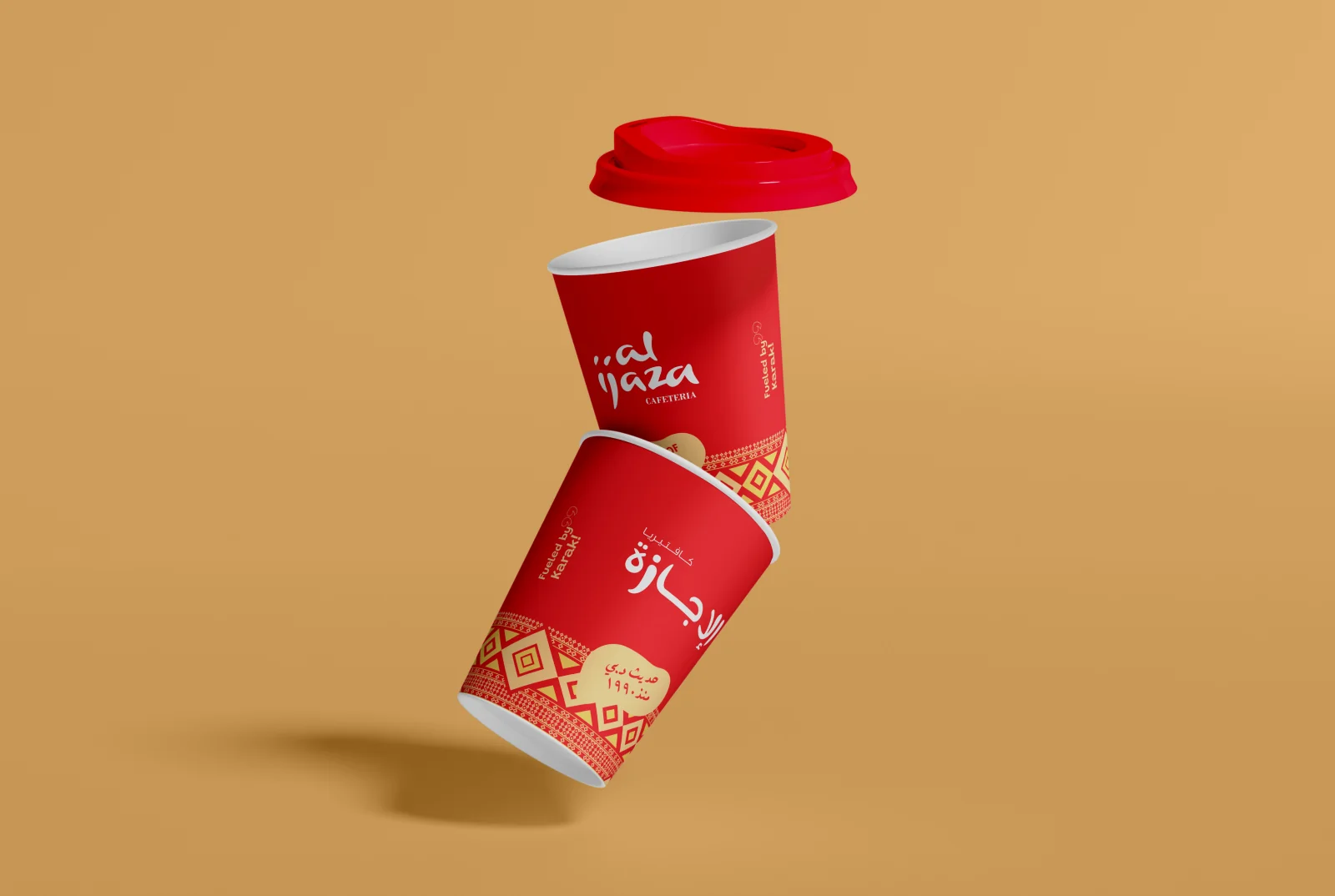
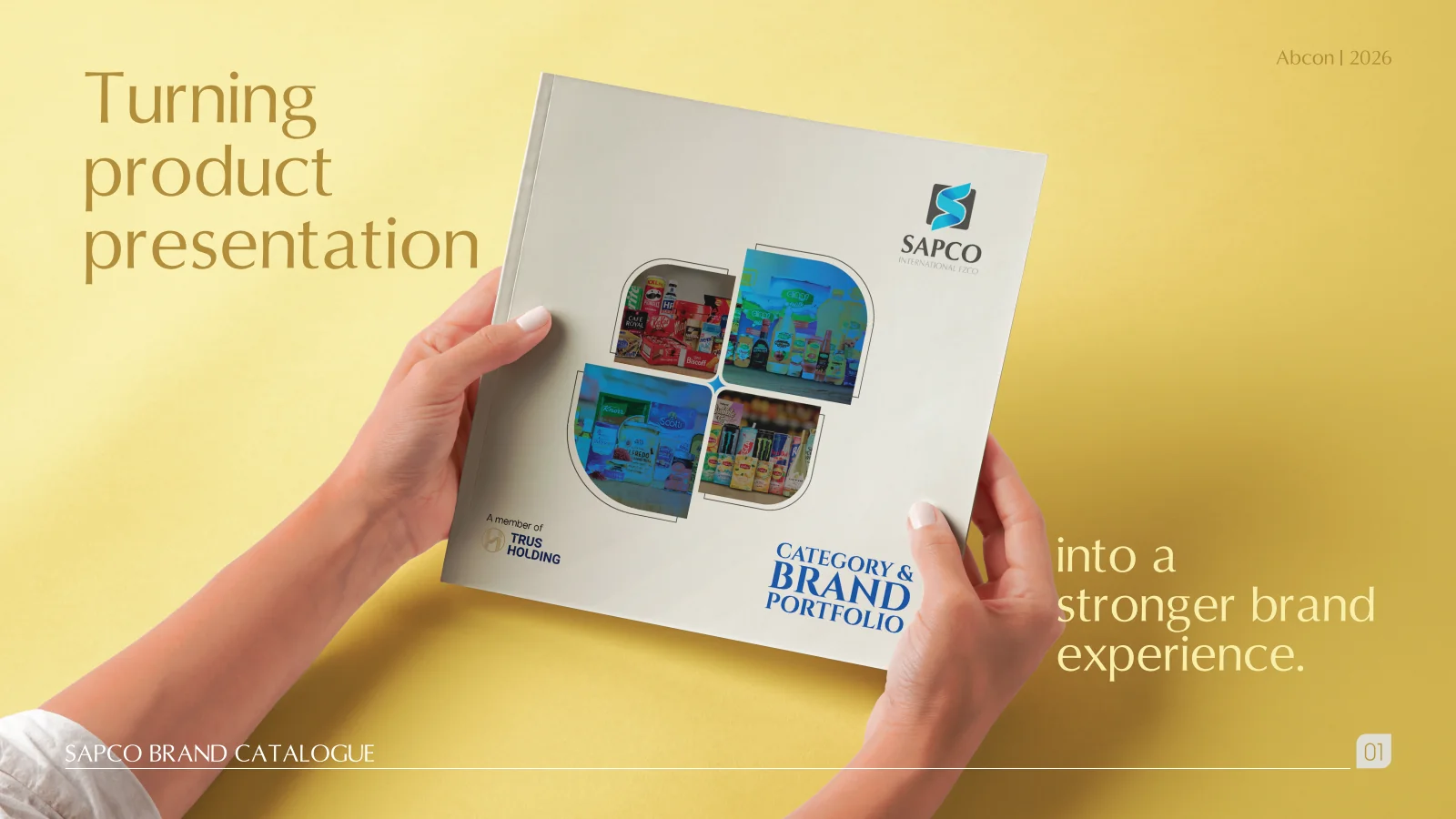
These original applications show graphic systems carried into packaging and print. Open the case studies to inspect the wider asset sets.

What visual communication systems includes
Make the brand recognisable beyond the logo.
- Graphic vocabulary
- Patterns, shapes, symbols and image treatments that support a distinctive brand expression.
- Information hierarchy
- Rules for organising headlines, product information, supporting copy and calls to action.
- Application families
- A coherent approach across print, packaging, environmental and digital formats.
- Production principles
- Guidance on colour, scale, materials and artwork adaptation for real-world use.
Where this work makes a difference
The logo is consistent but everything around it changes.
A recognisable system needs more than placing the mark in a corner.
New formats are designed as unrelated one-offs.
Shared visual principles can connect a growing set of touchpoints.
How we work on visual communication systems
Every project follows the same four stages. This is what they mean here:
- 01
Diagnose
Review the positioning, existing assets and the environments where the brand appears.
- 02
Architect
Develop a graphic language and test it across representative applications.
- 03
Deploy
Produce priority materials and document how the visual system adapts.
- 04
Compound
Extend the system through new formats while checking legibility and recognition.
Read more about our process.
Scope, cost and timing
We quote every project after a first conversation, so the proposal matches what the business needs. These are the things that move the cost and the timeline most:
- Touchpoint range: Packaging, environmental graphics and editorial materials impose different requirements.
- System development: A new graphic language differs from adapting an established toolkit.
- Production preparation: Artwork quantities, material specifications and supplier coordination affect delivery.
Our guide to what branding costs in Dubai explains how to compare quotes.
Questions and answers
Can this work start from our existing logo?
Yes. We review whether the current mark and positioning provide a suitable foundation, then build the supporting visual language and application principles around them.
Will every application use the same layout?
No. Consistency comes from shared visual rules, hierarchy and recognisable elements. A delivery box, a social post and a company profile have different communication needs.
What should we bring to discuss visual communication systems?
Share current identity files, priority formats, production constraints and the message each material needs to communicate. Include examples of applications that currently feel disconnected.
How do you agree the scope and timeline?
We start with the business question and the information available. For visual communication systems, we agree the decisions, deliverables, review points, dependencies and responsibilities in a proposal before work begins. Access, approval and production requirements shape the schedule; there is no universal package or promised commercial result.