
Services · Digital transformation
Digital transformation in Dubai.
Digital transformation is a programme of useful changes to how the business works and serves customers. It can involve website journeys, publishing, enquiry routing, automation and the information teams share. We prioritise the changes around the business challenge and delivery capacity, then build a phased plan rather than treating every system as a separate replacement project.
- 1997Abcon Group began
- 300+People across Abcon Group
- UAE & OmanWhere the group works

See the work
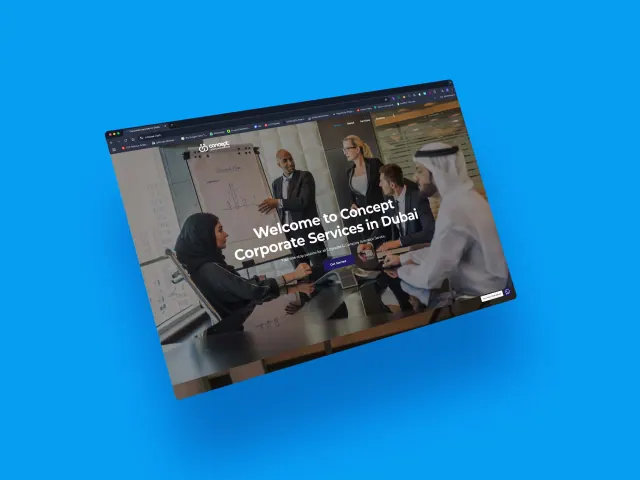
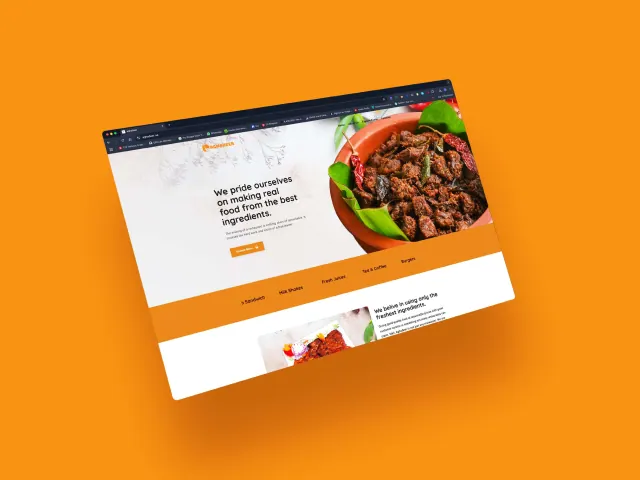
The original website portfolio provides examples of digital interfaces for different businesses. Broader operational transformation and client productivity results are not inferred from these visual outputs.
What digital transformation includes
Improve the connected experience across the website, workflows and team.
- Current-state assessment
- Map the digital touchpoints, tools, manual work and friction customers or staff encounter.
- Prioritised roadmap
- Select changes by value, dependency, feasibility and the team’s ability to adopt them.
- Connected implementation
- Coordinate the website, content, integrations and workflows included in the agreed phase.
- Ownership and adoption
- Define who maintains each system, how staff use it and what evidence supports the next phase.
Where this work makes a difference
The customer experience breaks between systems.
Information is re-entered, enquiries stall or teams have conflicting records.
The tools exist but the process has not changed.
Adoption and ownership may matter more than buying additional software.
How we work on digital transformation
Every project follows the same four stages. This is what they mean here:
- 01
Diagnose
Observe the current journey and gather requirements from the people operating it.
- 02
Architect
Agree a phased roadmap with dependencies, responsibilities and measurable priorities.
- 03
Deploy
Implement the selected digital improvements and test real working scenarios.
- 04
Compound
Review adoption, customer friction and maintenance needs before committing to the next phase.
Read more about our process.
Scope, cost and timing
We quote every project after a first conversation, so the proposal matches what the business needs. These are the things that move the cost and the timeline most:
- Systems involved: The number of tools, data sources and legacy dependencies determines the technical scope.
- Migration and adoption: Content, data transfer, training and changed responsibilities require planned effort.
- Phased delivery: A focused first improvement differs from a multi-system programme with ongoing support.
Our guide to what branding costs in Dubai explains how to compare quotes.
Questions and answers
Does transformation mean replacing everything?
No. The assessment identifies what works and where the friction lies. A phased approach can retain useful systems while improving the connections and customer journey.
Who owns the systems after delivery?
Ownership, account access, documentation and maintenance are agreed in the proposal. The business should understand its tools and responsibilities rather than depend on an undocumented setup.
What should we bring to discuss digital transformation?
Bring a list of digital tools, the customer and staff journeys, repeated manual problems and upcoming business priorities. Identify system owners, access constraints and the team’s capacity to adopt changes.
How do you agree the scope and timeline?
We start with the business question and the information available. For digital transformation, we agree the decisions, deliverables, review points, dependencies and responsibilities in a proposal before work begins. Access, approval and production requirements shape the schedule; there is no universal package or promised commercial result.