
Most businesses in Dubai start a website project with a look in mind. They have seen a competitor’s site, or a template they like, and want something similar. The design matters, but it is usually the easiest part. Whether the site works depends on the planning before it and the decisions about content, languages, technology and ownership around it.
This guide walks through what a business website project involves, so you can brief a website design company properly and compare quotes on the same basis.
Planning: decide what the site has to do
Start with the people who will use the site and what they need to do there. A trade buyer looking for a supplier, a family choosing where to eat and a property manager comparing maintenance companies arrive with different questions. The site has to answer those questions in the order people ask them and make the next step obvious.
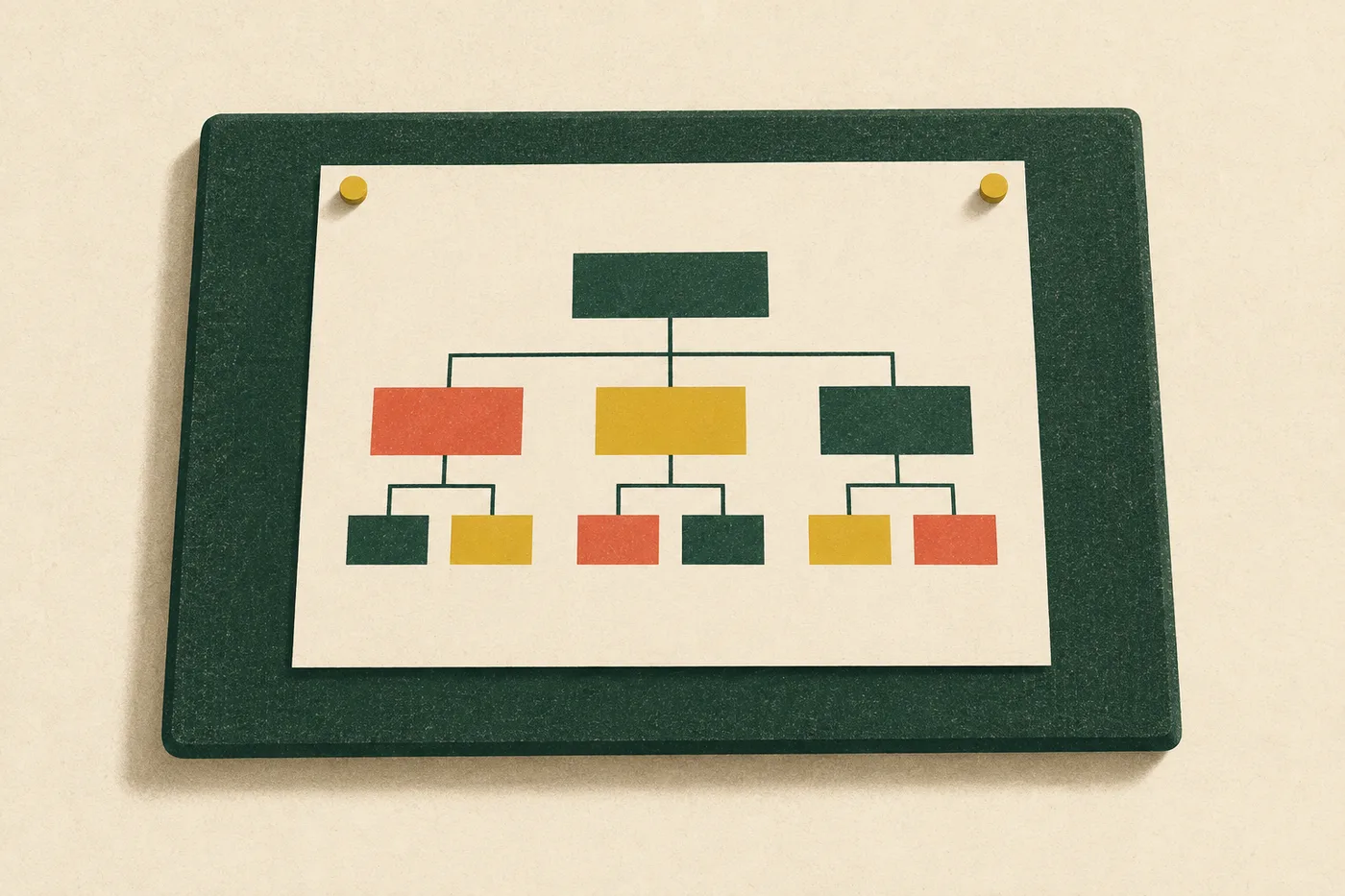
Planning usually produces three things: a short statement of who the site is for and what action it should lead to, a sitemap listing every page, and rough layouts for the key pages. Changing a sitemap is far cheaper than changing a finished build, so give this stage proper time.
Two of our website case studies show how audience shapes structure. The Bettergrow website is for trade buyers of nuts, dried fruits, spices and grains, so it shows the truck and warehouse first, then the product categories, the delivery coverage and a route to a quote. The Bettergrow Holding website serves partners rather than buyers, so it explains how the group’s businesses connect from sourcing and manufacturing to retail, then introduces its brands and leadership.
Content: the part that is most often late
Content is the copy, photographs, video, product details and documents that fill the pages. On most projects it is the main cause of delay, because the design is ready and the words are not.
Agree early who writes the copy, who supplies the photography and who approves both. If the copy is written for you, it should come from the brand strategy and the questions customers actually ask, not a list of services repeated on every page. If you are writing it yourself, ask for a page-by-page outline so you know what each section needs.
Imagery deserves its own decision. Stock photographs are quick but generic. Your own pictures of the team, premises, products and work give the site something competitors cannot copy, and illustration can do the same. The Al Ijaza website, for a Jumeirah cafeteria open since 1990, tells its story through hand-drawn scenes and a timeline, while keeping an order button in the header from the first screen.
Arabic and English versions
Many businesses in the UAE need their website in Arabic as well as English. Planning the Arabic version from the start is much easier than adding it later.

Each language should have its own pages at their own addresses, rather than one page that changes its text based on a browser setting. Google’s guidance on multilingual sites recommends using different URLs for each language version, avoiding automatic redirects based on a visitor’s language and adding links so visitors can switch language themselves. A separate Google page explains how to use hreflang annotations to tell Google about localised versions of a page, with each version listing itself and all the others.
Arabic is not only translated text. Pages read from right to left, so navigation, layouts, forms and any icons that point in a direction need to be mirrored. The Arabic typeface should match the character of the English one. The copy should be written or reviewed by a native speaker, and both versions need updating whenever something changes, which is an ongoing task rather than a one-off.
Choosing a CMS
A content management system, or CMS, is the tool your team uses to edit the site after launch. The right choice depends on who will update it, how often and what the site needs to do. The common options fall into four groups:
- Open-source platforms such as WordPress, which are flexible and widely supported but need regular software and security updates.
- Hosted website builders, which look after hosting and updates for you but limit how far the design and features can be customised.
- E-commerce platforms such as Shopify, built around products, payments and orders.
- Headless or custom builds, where content is managed in one system and the site is built separately. These suit complex requirements but need developers to maintain them.
Ask the agency why it recommends a particular platform for your site, and make sure your team gets editor access and training at launch. A site that needs a developer for every small change tends to go out of date.
SEO basics that belong in the build
Search engine optimisation starts during the build, not after launch. The basics are not complicated, but they are easy to skip:
- One clear topic per page, with its own page title and meta description.
- A logical heading structure and readable page addresses.
- A page for each main service or product, rather than one page listing everything.
- Descriptive alt text for images that carry meaning.
- An XML sitemap and a robots.txt file, with the site connected to Google Search Console.
- Redirects from old page addresses to new ones when an existing site is replaced, so links and search history are not lost.
- A business name, address and phone number that match your Google Business Profile.
None of this guarantees rankings. Rankings also depend on useful content, reviews and links built over time. A well-built site gives that work a sound base.
Performance on phones
Most visitors arrive on a phone, often on mobile data, so speed and stability on a small screen matter more than how the site looks on a large monitor during the design review.

Google measures real visitors’ experience through its Core Web Vitals. According to Google’s web.dev guidance, a good experience means the main content loads within 2.5 seconds (Largest Contentful Paint), the page responds to interactions within 200 milliseconds (Interaction to Next Paint) and the layout shifts by no more than 0.1 (Cumulative Layout Shift), measured at the 75th percentile of page loads. Ask your website company how it will test against these and what it will do if a page falls short.
The usual causes of a slow site are oversized images, heavy video in the first screen, too many third-party scripts such as chat widgets and trackers, and underpowered hosting. Each has a fix, but someone has to be responsible for it.
Hosting, domains and who owns what
Before the build starts, agree in writing who owns and controls each part of the website. It saves real trouble if you change suppliers later.
| Item | Who should hold it | Why it matters |
|---|---|---|
| Domain name | Registered in your company’s name, with your team holding the login. | Whoever controls the domain controls the website address and usually the email. |
| Hosting account | In your name, or covered by a clear handover clause if the agency hosts the site. | Moving the site later is simple when you hold the account. |
| Website files and database | Delivered to you, with regular backups in place. | You can move or rebuild the site without starting again. |
| CMS administrator access | At least one administrator login held by your team. | You are never locked out of your own content. |
| Design files and licences | Source design files handed over, with fonts, plugins and images licensed for your use. | Avoids unexpected licence costs or assets being removed. |
| Analytics and Search Console | Set up under your company’s accounts, with the agency added as a user. | Your data and history stay with you if the agency changes. |
Hosting is a recurring cost, separate from the build, as are domain renewals, paid plugins and any ongoing support. Ask for these to be listed in the quote so the full cost of running the site is clear from the start.
Timelines depend on scope
There is no standard timeline for a business website. A focused company site with a handful of pages is a much smaller job than a bilingual site with an online shop, bookings and connections to other systems. The number of page templates, the features, the languages and how ready the content is all change the schedule.
Content and approvals are the parts you control. Sites usually launch late because copy, photographs or sign-off arrive late, rather than because the build overran. Agree a content deadline and a named approver on your side, and ask the agency to plan the schedule back from your launch date.
Leave room for testing before launch: checking every page on phones and desktops, sending test enquiries to make sure they arrive where they should, reviewing the Arabic version, and setting up redirects and analytics.
What happens after launch
A website is never finished. Prices change, services are added, and browsers and search engines keep moving. Decide before launch who will update content, apply software and security updates, check backups and review how visitors use the site.
Some businesses handle this in-house after training. Others keep their agency on a support arrangement. Either works when the responsibility is clear. Our website design and development service covers strategy, design, build and support after launch, and shows the websites we have built for UAE businesses.
Frequently asked questions
How much does a website cost in Dubai?
It depends on the number of pages and templates, features such as online shops, bookings or more than one language, whether content needs to be created and the support you need after launch. Compare quotes on the same scope, and ask for recurring costs such as hosting and renewals to be listed separately.
Do we need an Arabic version of our website?
If your customers or partners read Arabic, plan for it from the start. Build it as a properly designed right-to-left version with its own pages, rather than relying on an automatic translation tool.
Which CMS is best for a business website?
The best CMS is the one your team can use confidently and that fits what the site has to do. WordPress suits many company sites, Shopify suits online shops and custom builds suit complex requirements. Ask the agency to explain its recommendation.
Will a new website rank on Google?
Clear page titles, a sensible structure and fast loading give a site a sound base, but rankings also depend on useful content, reviews and links built over time. Be cautious of anyone who guarantees positions.
Who should own the domain and hosting?
Your business. Register the domain in your company’s name and keep the login, even if the agency manages the technical setup for you.
For practical support with this decision, explore our website design and development and website strategy services. Each page explains the scope, how we work and what to consider before commissioning the work. Talk to us about your business challenge.